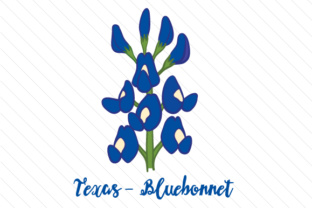
State Flower Texas Bluebonnet Review
When I first opened the folder for State Flower Texas Bluebonnet, my initial reaction wasn't just about the pretty colors; it was about how this design would translate from a digital file into a tangible, stitched reality. As someone who spends countless hours testing embroidery files for client work and personal projects, I look for more than just a pretty image. I need to know if the lines will hold up on a washable tote bag, if the details will vanish on a small cap, and if the overall aesthetic fits the vibe of a boutique brand. This review breaks down exactly how this specific design performs in real-world scenarios, focusing on its potential as a centerpiece for your next handmade product.
The First Impression: Mood and Visual Personality
The moment you see the layout, the State Flower Texas Bluebonnet exudes a sense of rustic charm and Southern elegance. It isn't just a generic flower; it carries the weight of state pride and natural beauty. The shape is organic and flowing, which suggests that it belongs best on items that celebrate heritage, home, or nature. Unlike stiff geometric logos, this design feels soft and inviting, making it an excellent choice for nursery decor, baby gifts, or cozy apparel like sweatshirts and aprons.
The visual personality here is one of approachable sophistication. It doesn't scream for attention with loud, chaotic elements, but rather whispers quality through its balanced composition. For a craft business owner, this is crucial because it allows the design to blend seamlessly with other elements on a product without overwhelming the fabric. Whether you are creating a custom gift for a family member or a line of merchandise for an Etsy shop, this design offers a timeless appeal that rarely goes out of style.
Real-World Application: From Screen to Stitch
I put this design through a mental simulation of actual production runs to see where it shines. Imagine you are preparing a custom embroidered tote bag for a local farmer's market. The State Flower Texas Bluebonnet would sit beautifully in the center of the canvas, drawing the eye immediately. The clean lines of the petals suggest that the satin stitch work would be crisp, providing a professional finish that customers associate with high-quality goods.
Now, consider a different scenario: a personalized baby onesie or a soft cotton blanket for a nursery. The floral theme is naturally comforting, and the design's scale seems appropriate for these smaller items. When applied to a baby item, the blue tones can evoke a calming atmosphere, while the red accents add a touch of warmth. It is also worth noting how well this could work as an embroidered patch for denim jackets or caps. The distinct outline makes it easy to cut out and applique, adding texture and depth to the garment.
For those selling digital products or printable mockups, this design serves as a versatile asset. You can easily visualize it on various backgrounds, from white tea towels to dark denim. The fact that it comes in multiple formats like SVG, PNG, EPS, and DXF means you have the flexibility to use it across different software platforms, whether you are working on vector-based cutting machines or standard embroidery digitizing software. This versatility is a massive plus for any creative entrepreneur looking to maximize their workflow.
Where Caution is Key: Fabric and Hoop Limitations
While the design is beautiful, no single file works perfectly on every surface. There are specific situations where you need to exercise caution with State Flower Texas Bluebonnet. If you are planning to embroider this on a very small hoop size, such as a 4x4 inch frame, you must carefully evaluate the density of the inner details. Tiny flowers often suffer when scaled down too much, leading to thread bunching or loss of definition.
Textured fabrics present another challenge. If you are stitching onto a heavy, nubby wool or a loose-weave linen, the stabilizer might not hold the design flat enough to prevent puckering. Similarly, stretchy fabrics like jersey knit require a strong stabilizer strategy; otherwise, the tension of the stitches could distort the fabric, ruining the intended shape of the flower. Dark fabrics are another consideration. While the design likely includes outlines, the contrast between the thread colors and the background fabric is vital. If the thread colors are too similar to the fabric, the design will disappear, defeating the purpose of the embroidery.
Curved surfaces, like baseball caps, also demand careful planning. A large, detailed floral design might not lay flat on the curved crown of a hat without significant distortion. In these cases, you might need to resize the design or adjust the placement to ensure the curves follow the natural shape of the garment. Additionally, if the design includes tiny lettering or intricate decorative accents, these areas are prone to breaking or fading after frequent washing. Always test the durability of these small details before committing to a large production run.
Impact on Brand Value and Customer Trust
In the world of handmade goods, the quality of the embroidery speaks volumes about the maker. A well-executed State Flower Texas Bluebonnet design elevates the perceived value of your finished product. Customers are willing to pay a premium for items that show attention to detail and craftsmanship. When the stitching is clean, the colors pop, and the design sits flush against the fabric, it builds trust and encourages repeat business.
Conversely, a poorly executed design can damage your reputation instantly. If the stitches are uneven or the colors bleed, it looks cheap and unprofessional. By taking the time to review the stitch density and confirm the hoop size before starting, you protect your brand identity. This design, when used correctly, reinforces a narrative of authenticity and care, which is exactly what buyers look for in the craft market. It transforms a simple piece of fabric into a keepsake that people want to keep and cherish.
Practical Designer Notes for Success
Before you hit the "start" button on your machine, there are several critical steps to ensure your project succeeds. First and foremost, always test the design on scrap fabric. This simple step can save you hours of frustration and wasted materials. Check the thread color contrast by placing the design over your actual fabric color; sometimes a screen preview looks different than the physical thread under store lighting.
Review the stitch density carefully. High-density areas can cause the fabric to pucker if not supported properly, so choose the right stabilizer for your specific material. Confirm the hoop size matches your intended product dimensions to avoid cropping important details. Inspect small details closely, especially if you plan to sell these items commercially. Ensure that the design works for both personal and commercial projects by verifying the licensing terms provided with the download.
Finally, don't forget to test it in black and white mockups. This helps you understand the contrast and readability of the design without the distraction of color. Compare light and dark fabric backgrounds to see how the design adapts. Use proper stabilizer techniques to support the fabric during stitching. By following these practical guidelines, you can ensure that your State Flower Texas Bluebonnet embroidery project turns out exactly as you envisioned, ready to delight customers and enhance your craft business.